Canabalt Vs OvenBreak: Which game defined the endless runner genre?
Charting the course of gaming history is a topic complex enough to make you weep. But it makes for an interesting read, so one particular subject I’ve been reading up on is the browser-gaming-defining Adobe Flash. Because, as I so often love to put it, the essence of Adobe Flash is also the essence of mobile games, as both share a common DNA and many gameplay conventions.
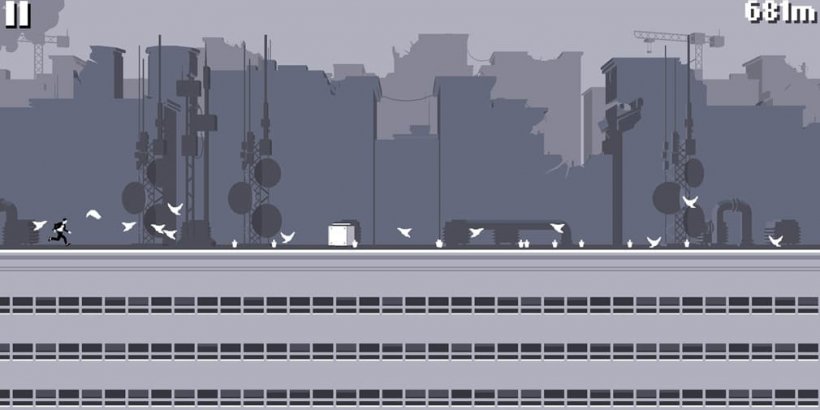
However, in the course of my research, I stumbled upon a particularly interesting factoid. The endless runner genre is commonly said to be codified by the indie Flash game Canabalt, and indeed, all the elements seem to be there: No set end goal, randomly generated obstacles and a simple one-button control scheme. Clear as day, right?
Well, not quite. Because in 2009, two months before Canabalt hit screens, a name we’re all familiar with by now saw its very first entry. DevSisters’ OvenBreak first introduced players to GingerBrave in his adventure to escape the Witch’s Castle by running, sliding and jumping over obstacles. And that would spin off into its own massive smash-hit franchise that just announced its most recent entry with CookieRun: Crumble.
So, which can be truly said to define the genre? Well, let’s compare.
Canabalt
Of the two, at first glance, Canabalt is a very strong contender. As mentioned, it’s literally endless with randomly generated obstacles and a single button to jump. It also has a much more cohesive, if rather basic, graphical style and a simple scoring format that ranks you based on the number of metres that you run. While originally only on browsers, it eventually made the jump to mobile around 2012.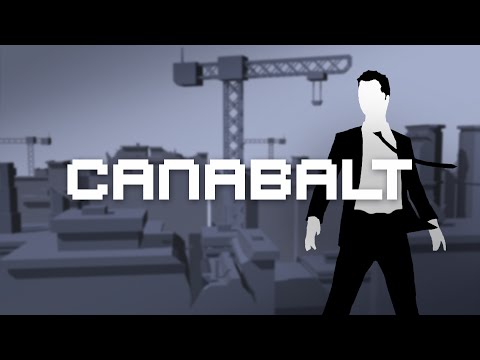
So, it seems pretty clear-cut that Canabalt marks a shift in the genre that we recognise nowadays. But there are some missing elements, most notably any power-ups or real variations, as the obstacles tend to be pretty samey, and that single-button control doesn’t offer much variety in movement options. So, what about CookieRun?
OvenBreak
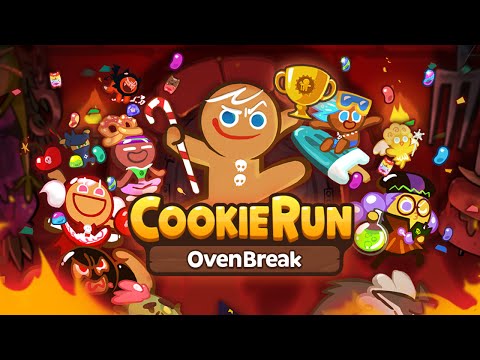
Now, OvenBreak does have a few strikes against it. It’s not randomly generated, and it does have a designated endpoint. And, no offence to DevSisters, but their first effort was graphically a little basic, and certainly not as stylish as CookieRun would become in the future.But it does have a few things going for it. Much more variation in obstacles and a whopping two control options with running, sliding and swinging with your candy cane! You can even collect sweets to garner points and different letters to spell the word ‘freedom’ and gain an extra life!
The gameplay below is from the later version of OvenBreak, which is also set to return as Cookierun Classic, but if you dig around for the 2009 version of the gameplay, you'll see how far it had already come even almost ten years ago!
Comparing the two
It’s tempting to take Canabalt as the original endless runner because, let’s face it, it looks a bit more artistic and minimalist. But when we look at how the genre actually developed with Sybo’s smash-hit Subway Surfers and its focus on using power-ups, or Jetpack Joyride’s more colourful and over-the-top world, it becomes clear which was really ahead of the curve, at least in terms of how the endless runner would develop.However, it only makes me feel more confident in my assertion that Flash had quite an impact on the development of mobile. At this time, it seems that both camps, between one-man indie teams and small studios, were both in a similar mindset. Maybe there’s an identifiable splitting-off point in the future, but I’m not sure that this is it.
Either way, you don’t need me to tell you how popular CookieRun would become off the back of the early OvenBreak series with its own merchandise and huge crossover events later on. So, it’s pretty impressive looking back at their earliest entry and how relatively primitive it really was. But it also demonstrates how mobile quickly developed into such a massive, lucrative platform for early devs.

That’s not to undersell the impact that Canabalt had, though, but in conversation about this particular genre, both it and OvenBreak should definitely be considered contemporaries. It does make me wonder what would have happened had their popularity and continuation been reversed, though… a Canabalt: Crumble idle RPG maybe? Either way, it marks an interesting moment in the development of Flash, mobile and gaming as a whole! So watch this space for more on that topic.
