The Walking Dead Aftermath review - "A spin on a Survivors-like but without enough meat to chew"


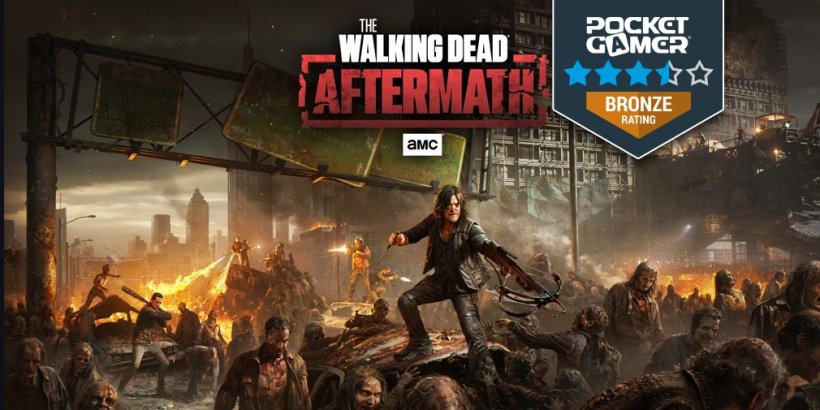
Who could’ve guessed when The Walking Dead first started publishing all the way back in … that it would turn into a multimedia empire? And with that sort of popularity comes plenty of gaming spinoffs, especially on mobile. This time around, it’s Ares Interactive taking a shot at it with The Walking Dead: Aftermath.
But for everything that TWD: Aftermath does that feels new, there are a dozen things that feel exactly like what we’ve seen before. So let’s get into the meat of it and tear it open like we’re a horde of zombies, shall we?

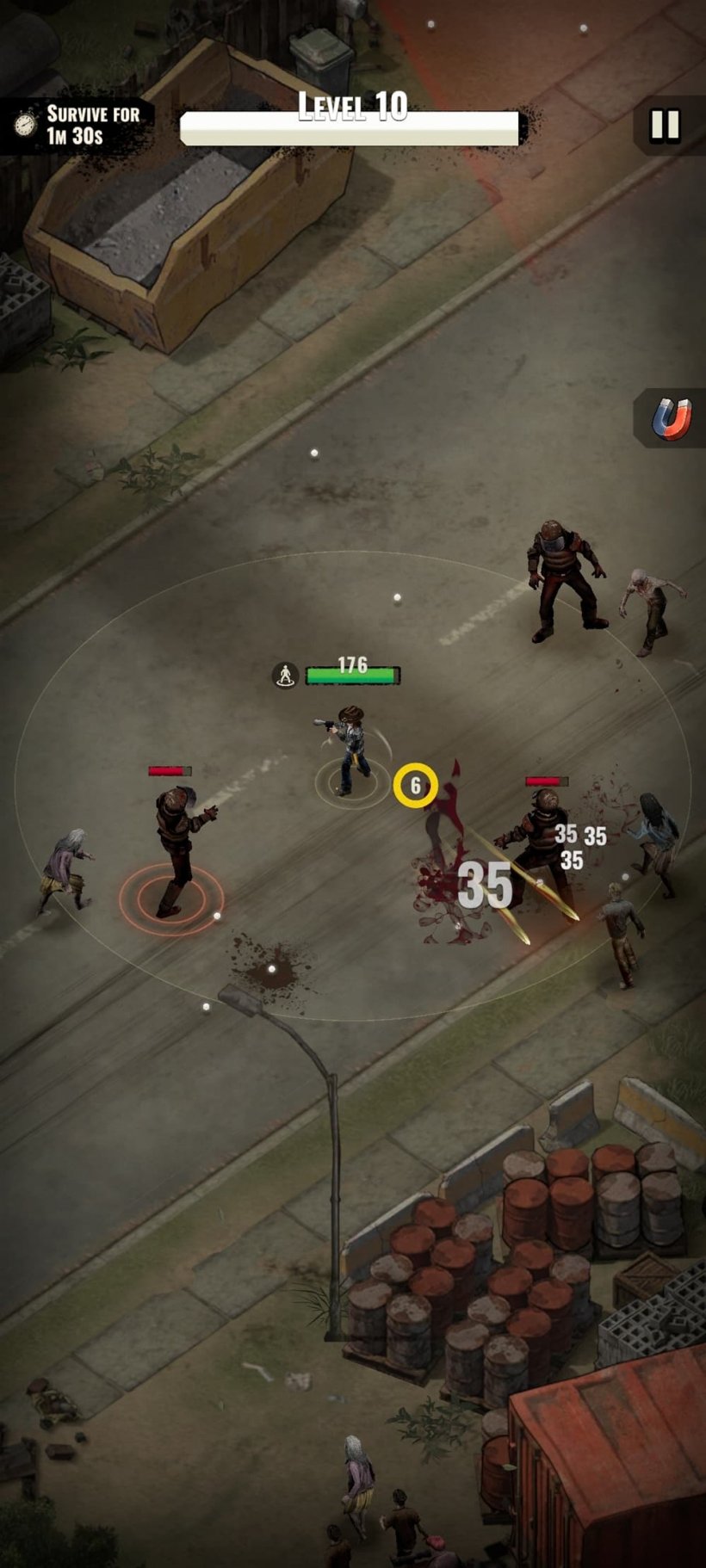
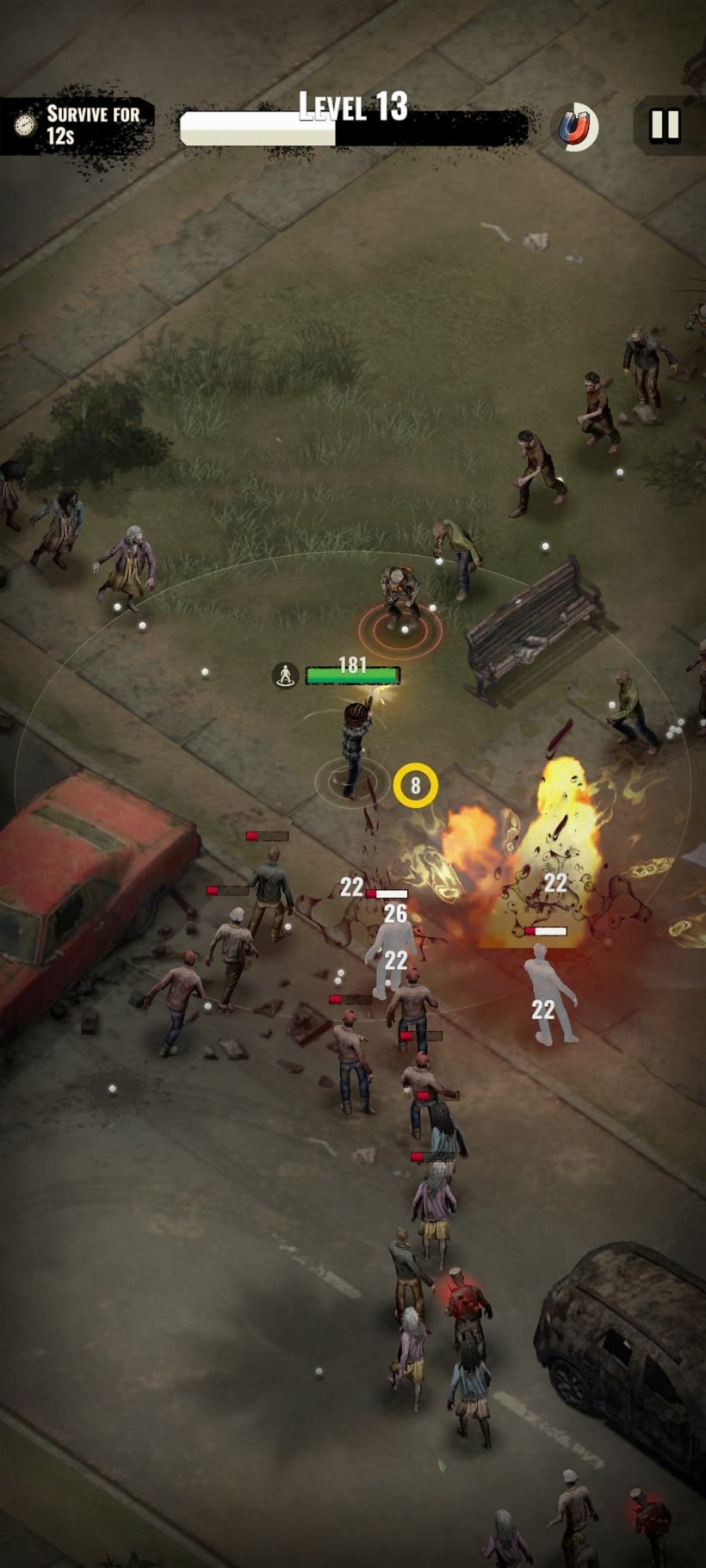
It’s a solid idea for The Walking Dead and is a lot more engaging than waiting for timers or min-maxing your lineup of survivors for every battle. And while not quite as visceral as you might expect from a zombie-themed game, there are plenty of close shaves and gruesome-looking enemies to dodge and weave between as you aim to survive until the timer runs out.
Unfortunately, while Aftermath does all the essentials of this genre well, outside of that, it quickly ends up sliding back into the usual problems that licensed games so often have.
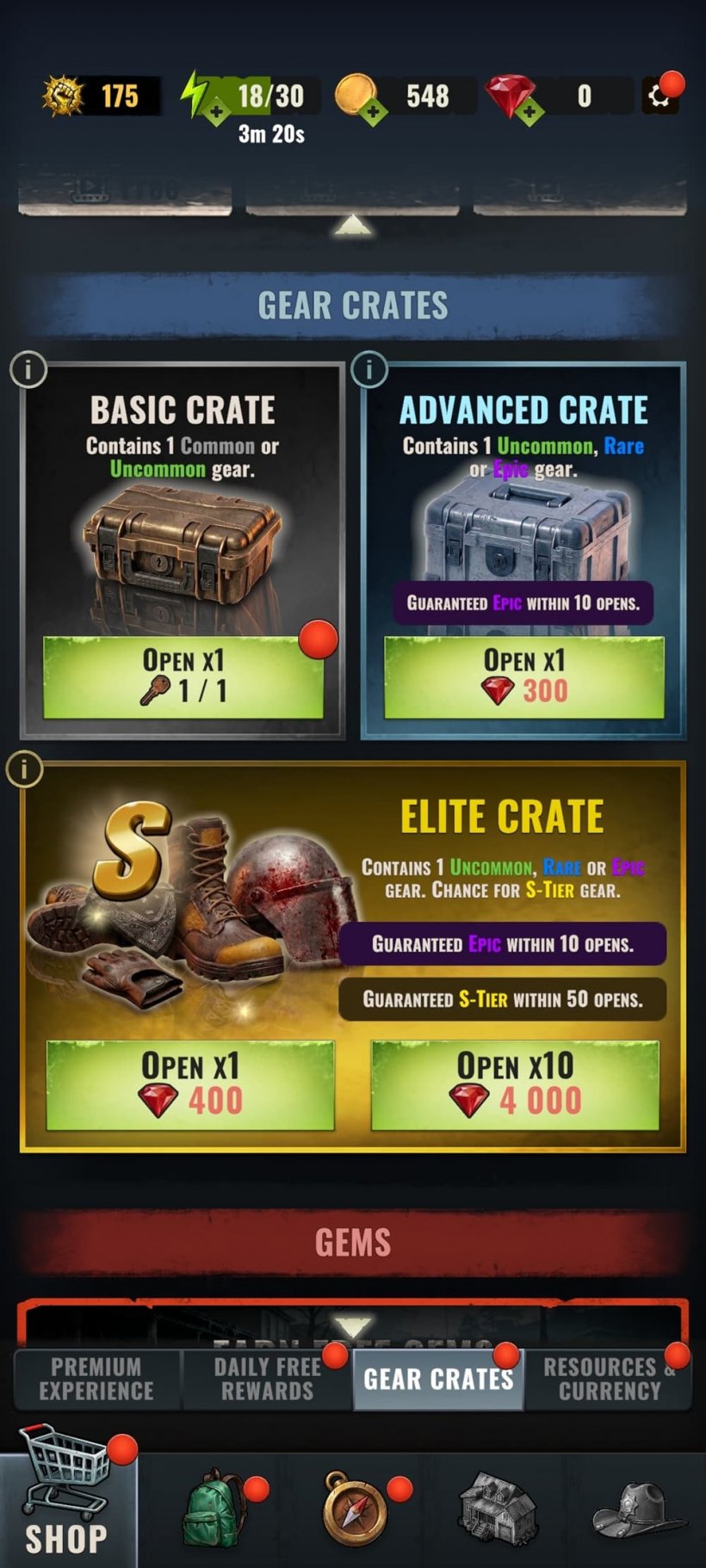
Aftermath also decides, for some reason, that it really needs a gear system, a Base Camp, and Survivors. You can see where this is going, as those strategy elements and your usual money gouging for crates and other loot creep their way back in. Assign survivors, upgrade buildings…it all feels way too samey.
At the risk of sounding like every irritable reviewer, the entire point of the Survivors genre is for each level to be essentially self-contained, with some meta-progression outside it. Vampire Survivors has a familiar and engaging gameplay loop of collecting stronger and stronger weapons, and the fact your gradually discover new ones as you unlock new characters is about as much meta-progression as you need. The Walking Dead: Aftermath piles on a base system and a whole hoard’s worth of coins and crates for you to use to get new (and painfully incremental) upgrades.
Most criminally, The Walking Dead Aftermath goes for the exact same, vaguely realistic style as every other licensed game. In a genre which has everything from anthropomorphic potatoes to vaguely familiar vampire slayers, in very colourful and distinctive styles, that muddy grey look just seems dated.
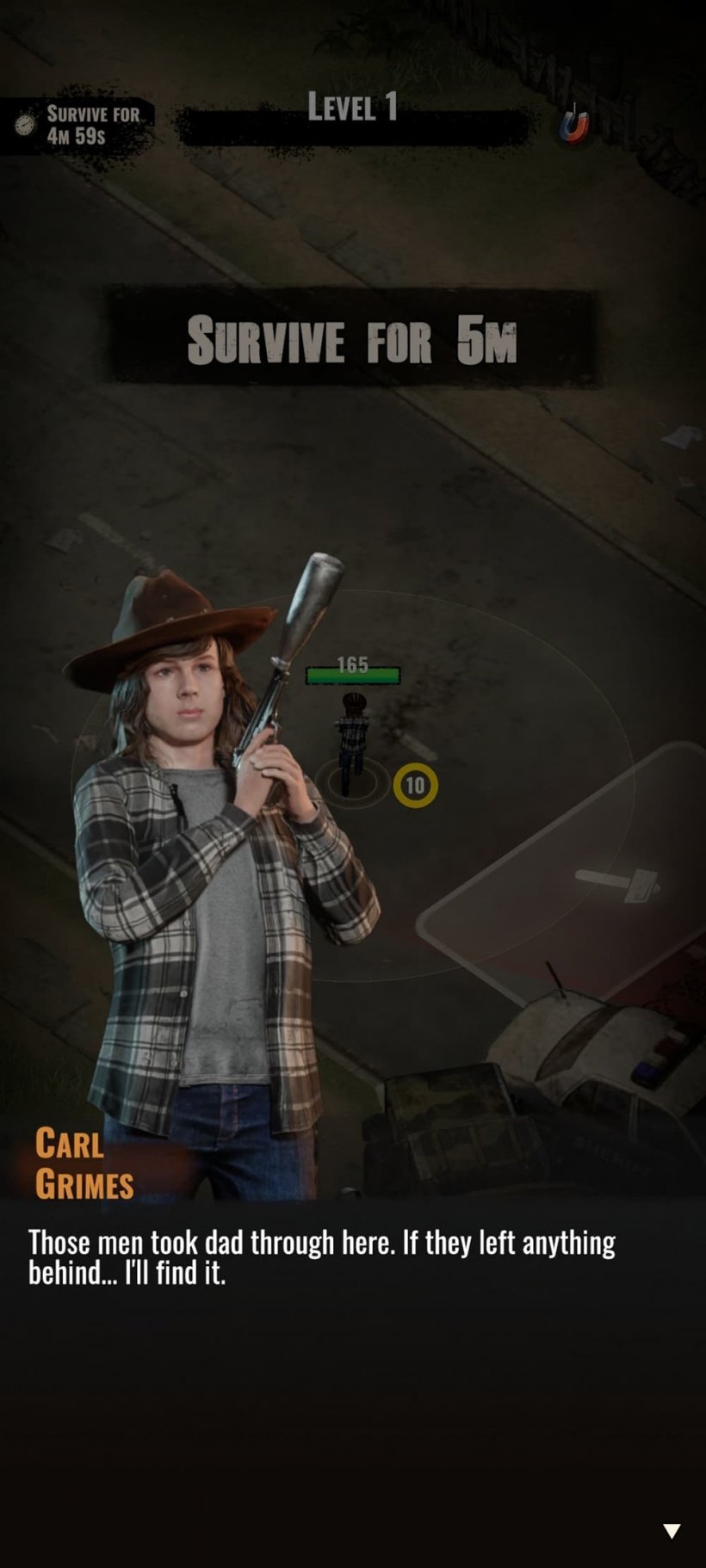
There’s a whole hell of a lot you could do with The Walking Dead franchise, whether that’s something like a black, white and blood format to mimic the original comics, or maybe take a page out of Vampire Survivors’ book (again) and render everything in classic pixel fashion.
The fact that my phone was regularly heating up to uncomfortable levels for an isometric shooter was not exactly encouraging either. Again, especially considering the graphics don’t really warrant some of the sharper drops in performance. But, in fairness, that's because my phone is getting on a bit (don't worry, folks, an upgrade is on the way).
But I do really wish that Ares Interactive had leaned more into the Survivors-style gameplay and not seemingly tacked on so much else. A Vampire Survivors-style zombie survival shooter featuring all the recognisable characters from the series would’ve been great to play; however, with TWD: Aftermath, we just get the same as we’ve had before.