Silent Whispers Interview: Archosaur Games on making the leap to Unreal Engine 5 for cinematic romance on PC and mobile
We speak to the developers about their first UE5 project, cinematic storytelling, and the challenges of cross-platform development
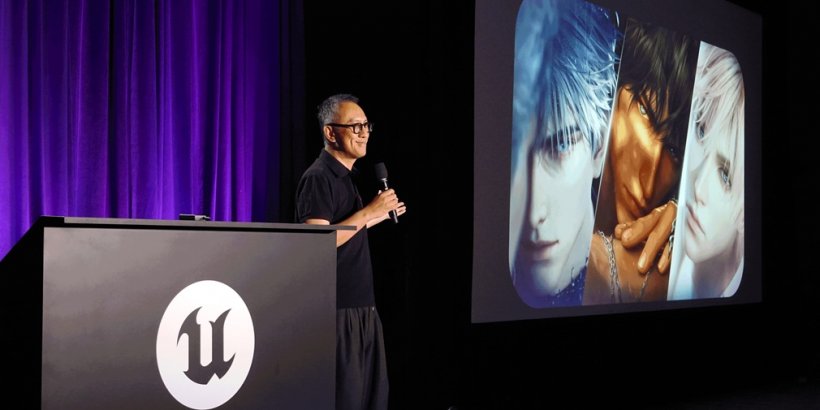
Silent Whispers is the upcoming cinematic romance adventure from Archosaur Games that aims to blend immersive storytelling, intimate character relationships, and high-fidelity 3D visuals into an emotionally and visually rich package for mobile and PC.
With a reputation built on producing visually ambitious titles like Life Makeover and Dragon Raja, Archosaur has made Silent Whispers its first Unreal Engine 5 project, as it looks to push that ambition even further.
Following the game's recent reveal, the game team offered a closer look at its underlying technology at Unreal Fest Chicago.
Around the presentation, we spoke with members from the development team about making the leap to Unreal Engine 5, raising the bar for mobile visual fidelity, and bringing Silent Whispers’ characters and world to life.

When comparing Silent Whispers to previous projects developed in Unreal Engine 4, where did Unreal Engine 5 create the biggest shift in the day-to-day production pipeline?
Bing (Chief Artist): For the art team, the biggest shift from UE4 to UE5 was definitely Nanite and Lumen. Those technologies really blew the industry away when they first came out.Visually, UE5 gives our artists much more creative freedom, while also simplifying many technical limitations, including old polygon constraints.
But I think the biggest day-to-day change is how well UE5 integrates its tools and editors. We can now tweak things in real-time inside the engine and immediately see how different effects look in-game.
Qian (Chief Rendering Engineer): Unreal comes with a mature, standardised toolset, allowing teams to move quickly in the early stages of development. The challenge for a project like ours is breaking away from the engine's default look and creating something visually unique.Achieving that requires extensive customisation and, in some cases, modifications to the engine itself.

How did those changes affect productivity across the team, and were there any new challenges that came with them?
Bing: There were definitely challenges early on.At the time, there were relatively few developers in the market with the Unreal Engine experience we needed, so we mostly trained our own people. We also brought in senior artists and helped them learn the engine and its toolset.
The key is figuring out how to use the engine effectively while pushing visual quality as far as possible. The art and engine teams work closely together, constantly refining workflows and solutions.
Qian: After working together for so long, the team knows what's achievable and what isn’t.Each department focuses on its strengths, builds experience in those areas, and develops specialised workflows. When I first joined Archosaur ten years ago, a lot of this stuff was already well-established.
For experienced developers, transitioning between engines isn't as difficult as you might think because the underlying principles remain largely the same.
Silent Whispers has a notably cinematic visual style. How did Unreal Engine 5 help the team achieve that look, and what challenges came with it?
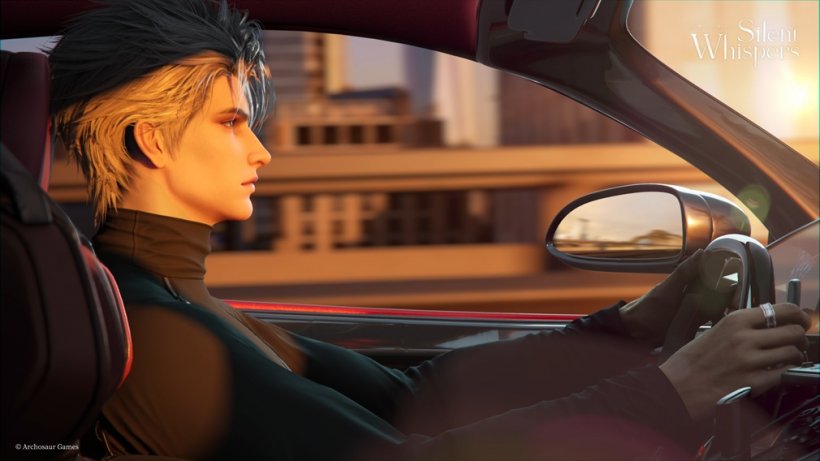
Bing: Visually, Silent Whispers is much more cinematic.In our previous games, we often relied on front lighting because it was easier to render and runs faster. For Silent Whispers, we're using techniques more commonly associated with movies including side lighting, backlighting, and high-contrast setups that help reinforce character personalities and the emotional tone of a scene.
Lighting can completely transform how a character is perceived, and UE5 has given us much greater flexibility in that area.
Lin (Character Art Director): Each of our male leads uses a distinct lighting approach.When Alarik first appears, he's mostly lit from below. It's an unconventional choice that creates a sense of intimidation and distance, giving him a dangerous, complex presence.
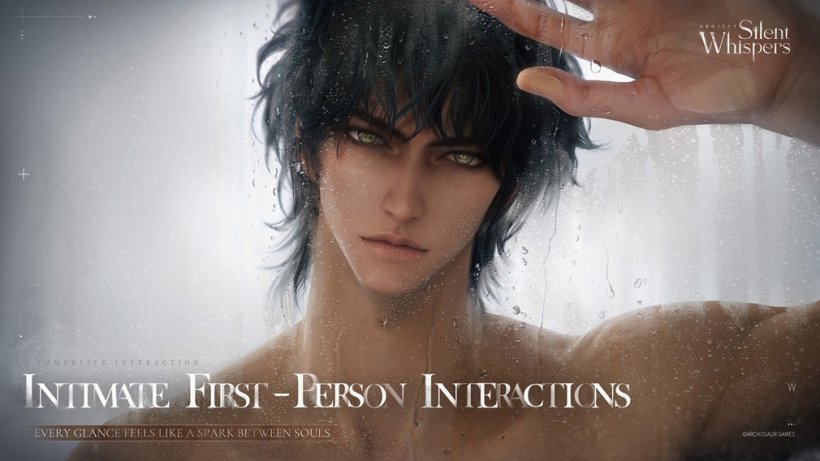
For Theron’s shot in the bathroom, we have a bright, diffused environment which creates a strong contrast with his dark skin, amplifying his wild, untamed nature. The bright background contrasts strongly with his darker skin tone, which emphasises his untamed nature.
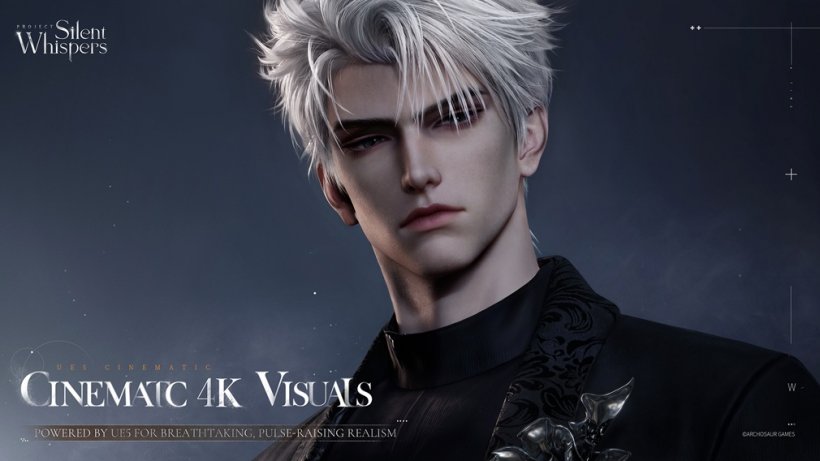
Valen, meanwhile, is defined by strong rim lighting. In one scene, he's standing in darkness while a dramatic beam of white light outlines his silhouette. The effect creates a sense of exposure and ambiguity while making his pale complexion appear almost luminous.
Qian: The challenge is that this kind of low-key lighting can be extremely demanding on mobile rendering.We had to do a ton of research and adjustments to achieve the results you see in the game today.
One of Silent Whispers' key goals is to make character interactions as realistic as possible. From both an artistic and technical perspective, what does "realism" mean to you?
Lin: Every character in Silent Whispers is sculpted with meticulous attention to detail. No matter the angle, we want them to feel believable, natural, and perfectly aligned with their backstory.Theron is a great example. We carefully evaluated every aspect of his appearance: how defined should his musculature be? What about the proportions of his hands? How dark should his skin tone be? Should it have red or yellow undertones? Every detail went through countless iterations.
Valen represents a completely different approach. His cool-toned, pale complexion is intended to create a fragile quality. His build is lean and elegant, with subtle muscle definition that is perfectly proportioned and avoids exaggeration.
Alarik follows yet another design philosophy. His significant height and broad shoulders create an immediate sense of authority, but rather than emphasising bulk, we focused on a tighter, more streamlined physique. We specifically designed his hands to be long, with thin fingers, prominent knuckles, and wide palms to create a subtle, delicate contrast with his otherwise imposing silhouette.
For us, realism isn't simply about accuracy—it's about ensuring every physical detail reinforces a character's identity.
Were there aspects of Unreal Engine 5 that proved especially valuable when creating close-up character interactions and emotional scenes?
Lin: One of our biggest priorities was making sure the characters looked convincing in close-up shots.We spent a massive amount of time refining facial features: Should the sides of the nose be pushed out just a tiny bit? Do the eyelashes need a slightly more outward curl? Are the left and right sides of the face too symmetrical? We really tortured ourselves with details like that.
Bing: When it comes to skin, our production pipeline is completely different from how we used to do things.From the start, we set the bar extremely high for rendering quality. One example is the way veins subtly change as a character clenches or relaxes their hand. That's a feature we've continued refining from our earliest demonstrations through to our latest showcase.
Qian: Character textures are also far more detailed than what we produced in the past.For things like pores, we used to just tile a texture across the skin and call it a day. Now, we custom-design everything for each character, from their pore details to the direction of the lines on their palms.
Sweat is another example. In older games, achieving a wet appearance was often limited to tweaking a few parameters on the skin material. Our newer approach simulates the visual behaviour of actual water droplets through advanced calculations involving reflections and lighting, resulting in a much more realistic effect.

How do you ensure a player on a mobile device experiences the same emotional impact as someone playing on PC or console?
Qian: Cross-platform development is one of the industry's biggest challenges right now.If you prioritise top-tier tech on PC and console versions then mobile devices simply won’t be able to handle it. But on the other hand, you don’t want to lower the ceiling for the PC version by downgrading it. Finding that balance is the hardest trade-off to make.
Bing: Fortunately, we've built up a lot of experience dealing with this from past projects.Our strategy is to prioritise character presentation above all else. We want things like direct lighting, indirect lighting, and the amount and resolution of shadows on mobile to get as close to the PC experience as possible.
When a feature can't be implemented directly, we'll find a workaround to achieve a similar result. We just keep polishing, piece by piece, and when all those optimizations work together, the final experience will end up being pretty close to the original design.
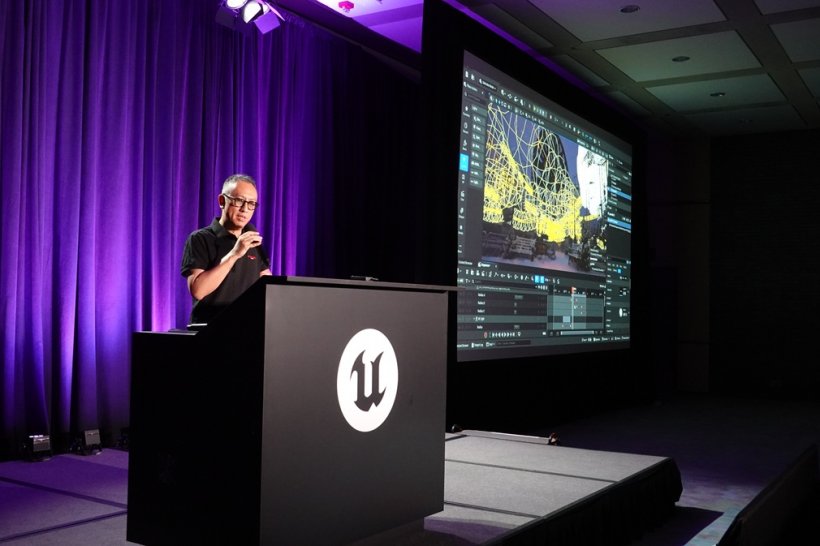
What do you hope audiences will take away from Silent Whispers' presentation at Unreal Fest Chicago?
Lin: That we're always aiming to reach new heights in visual presentation while tackling increasingly ambitious technical challenges. Qian: That our team culture encourages experimentation.Everyone is eager to get their hands on new tech, learn about it, and figure out how it works and even when we can't immediately implement something, we still research it, test it, and learn from it so it might benefit us down the road.
For instance, we've just officially started full production on the game's city-related content, so we aren't anywhere near the optimisation phase yet. But questions like "how many buildings and props can this city actually handle?" or "will this even run on mobile?" have already been figured out with our test models two years ago.

Looking back at the project so far, what achievement in Silent Whispers are you personally most proud of, and why?
Bing: The lighting system is something I'm particularly proud of.The amusement park scene we showcased features thousands of lights activating individually. In our previous projects, something like 2,000 dynamic lights in a single scene would have been unimaginable.
Now, every bulb functions as an independent light source, and artists can control them procedurally. That level of flexibility for lighting scenes can make them feel incredibly rich and nuanced. We're going to put a massive amount of narrative cutscenes and animations in the game, and we really hope the lighting can create a cinematic, immersive experience.

Now, with the new tech, we have Lumen on PC, and we've implemented special treatments for mobile to ensure we're using the same unified pipeline as much as possible. The underlying principles are consistent now, which means the characters and the environments are lit the same way.
The recent breakthroughs in rendering technology have also dramatically reduced previous limitations around scene lighting, giving our artists far greater freedom to approach lighting the way a cinematographer would approach a film set, which has been incredibly liberating for the team.
For more information about its development, you can check out the official Silent Whispers website, as well as follow its updates on X and Discord.