

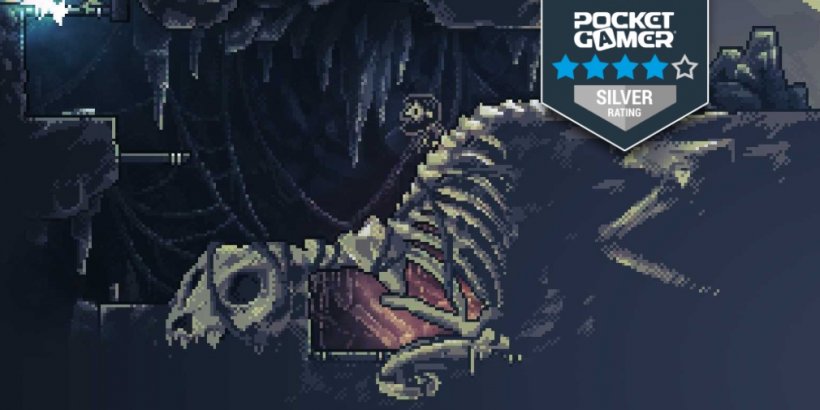
- Inmost nails the solemn and creepy atmosphere it's shooting for
- The story deals with incredibly dark themes, so it isn't for everyone
- Pedestrian platforming and simple puzzles might be a huge negative for some
Nothing quite piques my interest these days like the phrase, “You can beat this in about three to five hours.” Knowing I can start and finish a game in one sitting makes everything so much more appealing than facing a never-ending open world. Time is precious, and I'd rather see the credits roll sooner rather than later. For that reason, Chucklefish and Hidden Layers' Inmost was off to a good start in my book.
And playing it all at once is definitely the way to go. Inmost tells an incredibly bleak story that tackles sensitive topics like suicide, grief, and even domestic abuse. While that's certainly not for everyone, settling in for a macabre evening is the best way to experience the narrative since the build-up is expertly done.
Well, until a fairly heavy-handed conclusion takes away some of the magic with over-explanation, that is. A narrative bombardment and dozens of cutscenes in a platform puzzler that's previously been deliberately vague is a strange choice.
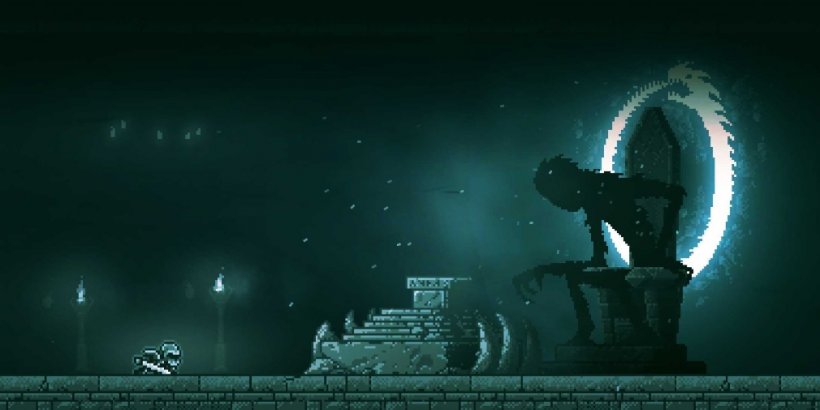
That ten or so minutes aside, the way Inmost presents itself is otherwise flawless. The pixel art is absolutely stunning on my Infinix GT 20 Pro. Sure, the largely blue-green-tinged aesthetic undoubtedly gives it a dreary vibe, but that's exactly the point. This isn’t a happy world, and the art style really cements that feeling.
Of course, the constant rain and creepy blob-like creatures that lurk in and leap out of the shadows add to the bleakness. It sounds like an awful place, I know. However, there's a certain beauty in melancholy that the developers have really captured here.
With that said, it wouldn't have the same impact if the sound and music weren't on point. Definitely make sure you wear headphones if you play this one. You won't want to miss anything.
The score is utterly beautiful, with sparse, lovely piano during the sombre moments that turns angry and frantic when the action ramps up. The sound effects are equally brilliant, whether it's the inhuman wail of a blobby monster causing your hair to stand on end or the simple straining of wood as you push hopelessly against a door. Even the soft thuds of books falling off a shelf as you crawl along it add to the atmosphere. It's incredibly detailed and is, in many ways, the star of the show.
Hardcore platformer enthusiasts might be disappointed
Now, I appreciate we're several paragraphs in, and gameplay hasn't even been mentioned. There's a good reason for that. In many ways, it's not important. I know, that's a strange statement to make about a puzzle-platformer, but it's merely a vehicle for the developer to tell a dark tale.That doesn't mean it's bad by any stretch. It's just fairly serviceable, with little intention to thrill whatsoever. And it all works fine with touchscreen controls too. There aren't any precise jumping sections, save for dodging a few enemies so they meet an untimely end, meaning that fast reactions aren't required. For that, being reasonably responsive to inputs is all you truly need.
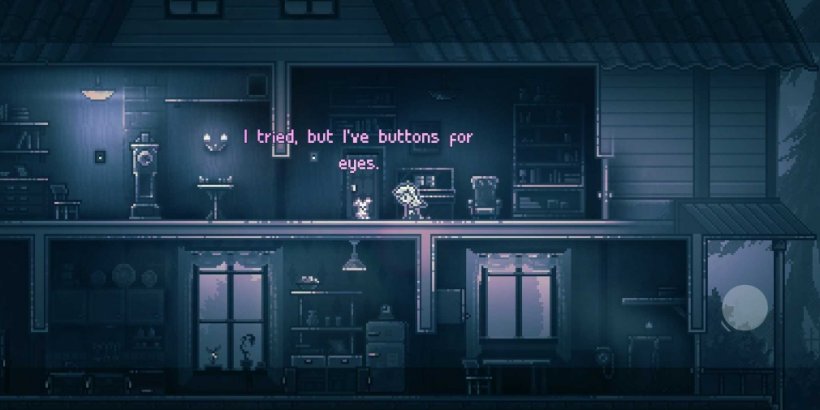
The most notable thing about the gameplay is how well distinguished the three different characters are, making their personalities and physicality shine through. The Young Girl is effectively trapped in a house with abusive parents, a plight that's reflected by her having to drag chairs along the room to grab things that would otherwise be out of reach. She can't even properly jump, bless her.
Meanwhile, the Knight is driven by his goal to collect Pain, so his sections are no-nonsense and combat-focused. Finally, the Man is a bit more nimble than both, able to dodge and roll away from enemies while amassing an ever-increasing inventory of useful items to solve puzzles.
Like the Young Girl, he cannot fight enemies directly. Instead, he can lure them into traps, potentially a metaphor for his difficulty facing uncomfortable truths head-on.
In all three cases, it serves the characters well, but it's never memorable. The Knight's combat has a relatively enjoyable heft to it, though the relative lack of nuance makes it feel somewhat mindless, even if it's not entirely.
The puzzles the Young Girl and Man have to solve are fairly straightforward. It's highly unlikely you'll ever find yourself stuck, meaning that it lacks those satisfying “a-ha!” moments. Instead, it predominantly feels like less annoying fetch quests. There's no real challenge here, nor is there meant to be.
Atmosphere and art style are king
Instead, as mentioned, it's the story and overall design that shine. For instance, you spend most of your time playing as the Man, who travels through a wonderfully interconnected world. Finding shortcuts is a constant reminder of how much effort the developer has put in. And the story isn't entirely maudlin, either. The Young Girl has a stuffed rabbit companion who brings some much-needed levity to sombre situations.If not for that final ten minutes, it'd be easy to recommend on the narrative alone, so long as you're ready to spend an evening feeling slightly uncomfortable. As it is, though, it partially kills the otherwise stellar atmosphere that's created up until that point.
Far from a deal breaker, of course. However, when you factor in the pedestrian gameplay, it holds Inmost back from true greatness. Still, it's an enjoyable way to spend the evening. As much as creeping sadness can be enjoyable.


Inmost review - "A dark and sombre tale to soak up in one sitting"
Inmost is a masterclass in creating atmosphere, beautifully combining its art style with sound and music to create something truly dark and solemn. The gameplay is fairly pedestrian, and the final ten minutes take away some of the sheen, but it's still worth your time, particularly if that's in one sitting.


Stephen Gregson-Wood
Stephen is Pocket Gamer's Deputy Editor and a lifelong gamer who will tell you straight-faced that he prefers inventive indies over popular big studio games while doing little more than starting yet another Bloodborne playthrough. His favourite mobile games are Retro Bowl and Vampire Survivors. Oh, and Dredge. He loves Dredge.