My Hero Academia's take on the Survivors-like strides where Walking Dead: Aftermath stumbles
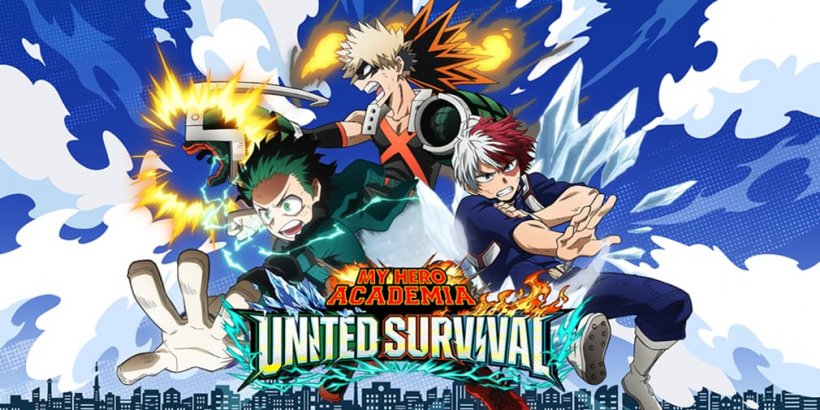
- My Hero Academia United Survival offers an interesting take on the Vampire Survivors format
- And in-fact, it seems to really succeed where another take, The Walking Dead: Aftermath, failed
- But why exactly is that? Well, let's dig in and find out
While Survivors.io may have been the first to make its way to mobile, Vampire Survivors undoubtedly defined the bullet heaven format. And it seems that this mixture of roguelite action and bullet hell-style, screen-filling projectiles has also grabbed the attention of many major developers and publishers. We’ve seen plenty emulating the format, especially for big names, such as The Walking Dead and My Hero Academia.
By now you’ve probably read my review of The Walking Dead: Aftermath and understood some of my gripes with it. I’ve also been dipping my toes into My Hero Academia United Survival, mostly for producing a beginner's guide, and some other coverage to keep your eyes peeled for.

But what triggered the writing of this piece was that, while playing United Survival, I couldn’t help draw some comparisons between Aftermath and how it handled the Survivors-like elements. Basically, where Aftermath failed, I feel like United Survival succeeded.
Best of lesser options
I should make it clear I don’t think either of them really live up to Vampire Survivors’ legacy. Both feature too many outside elements such as gacha or meta-progression that sort of interfere with the simple pleasure of growing stronger and destroying all enemies that oppose you.So, don’t think of this as a comparison between real heavyweights of the genre or a review, but as more of a comparison of two branded games trying to copy the mechanics and features of the original. Anyway, enough of that tangent; what about where the two games are similar, and more importantly, where do they differ?
Quality & Features
The Walking Dead: Aftermath is a very mundane take on the Survivors format. Instead of massive, screen-filling, flashy moves, you have basic gunplay and gadgets, with white dots knocking over zombies to represent your bullets. The grayish-brown neighbourhoods, fields and urban environments lack any real identity, and even the graphics are very basic.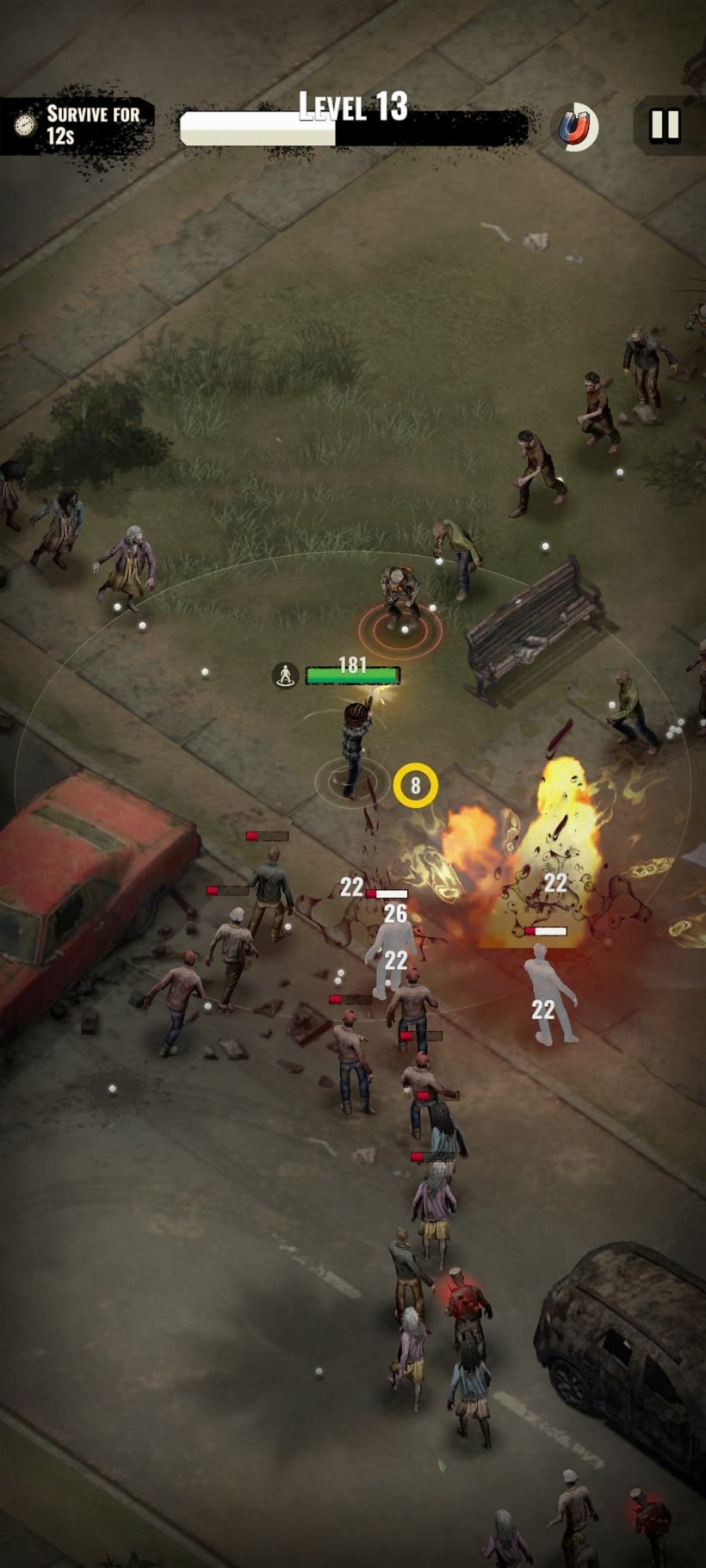
Now, this isn't exactly a bad thing. I think having it be flashier would clash with the grim, post-apocalyptic setting of the show. Why not try and do something at least a little stylised, like a black-and-white format with splashes of red for blood? Instead we just get another monochrome environment, and some decidedly uncanny valley takes on the cast.
In comparison, My Hero Academia United Survival uses its four-colour cast to the fullest, with heroes and villains having their own distinct quirks (as in super-powers) alongside other unlockable weapons to help cleave through hordes of enemies. It may be more cartoonish; however, it still somehow feels more visceral than Aftermath.
Now, both do have their similarities, including the need to unlock new characters, various bits of equipment and levels that feel as if they were pulled from a more conventional mobile RPG and tacked onto the Survivors-style format.
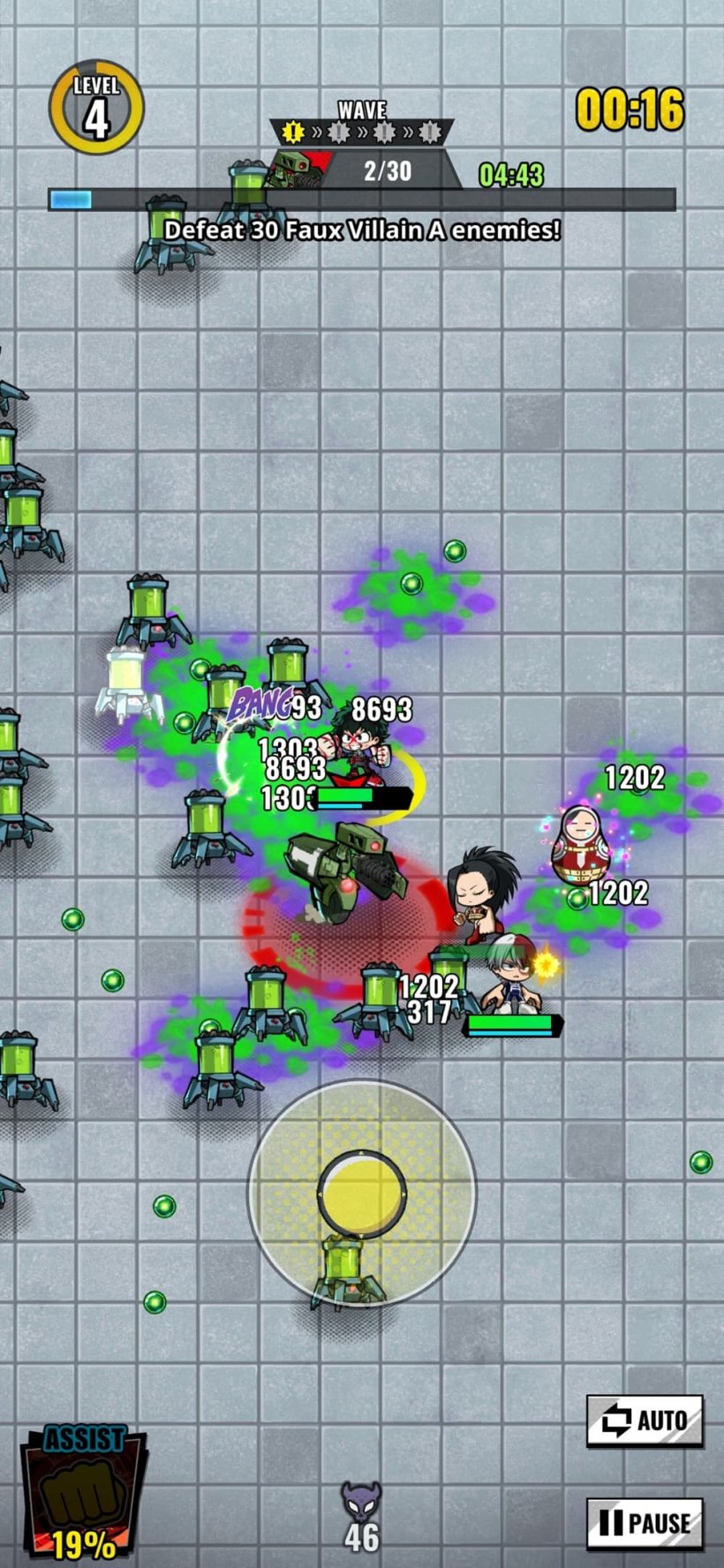
Where United Survival stands out is that the moment-to-moment gameplay feels so much more varied and engaging. Not only are there more enemies and flashier attacks, but the upgrading process also really makes you feel as if you're growing in power. You even have alternative objectives that spice things up beyond just ‘survive for x minutes’ or ‘kill y number of enemies’.
In comparison, at the end of a level of Aftermath, I felt just as fragile and weak as I did before. Now, maybe a few more hours into The Walking Dead: Aftermath, we get more options and objectives to complete. However, I always treat mobile games as being front-heavy, and if you can’t show me all the mechanics and reasons to keep playing in the first two or three hours tops, then I’m afraid you’ve probably lost me.
United Survival successfully introduces its mechanics, some of the characters and all the upgrade and levelling options. And I found myself eager to get back in and fight more foes, which certainly wasn’t the case with Aftermath.
Driving on automatic
Of course, United Survival does have one major strike against it. And it’s the fact you can simply tap an ‘auto’ button and have the game play itself for you. While this isn’t always going to be feasible, especially when you need to manoeuvre carefully, it still strikes me as odd to offer an option to bypass what should be the main selling point.And that, in a nutshell, is why I’m always sceptical of big-name brands trying to emulate a game like Vampire Survivors. The core of VS was always keeping you playing for 30 minutes at a time, and encouraging that visceral sensation of upgrading and progression, as well as the satisfaction of becoming a figurative demi-god destroying everything in their path.
That being said, United Survival and Aftermath both seem worried the player will lose interest without having more gacha to roll and more upgrades to grab. It’s a shame because I think if both of them were closer to the original format of VS, they could be truly exceptional games. Instead, they just end up being lacklustre copycats, albeit with United Survival being a lot more colourful and well worth playing if you’re a fan.
So, what did we learn?
I suppose the conclusion of this slightly rambling opinion piece is that while I’m glad the mechanics and gameplay loop set out by Poncle is being reused, I’m not happy to see the old habits of mobile gaming creep back in. There’s only so many gacha and AFK games one man can stand, and eventually it all starts to blur together, especially if you play them for a living.
What makes United Survival stand out is that the series it's based on, My Hero Academia, has the larger-than-life setting and cast to make the format work. If nothing else, seeing fists and powers flying makes you feel as if you're getting somewhere. That same sort of power fantasy just doesn't fit the grim and gritty world of The Walking Dead: Aftermath.
Could Aftermath have carried the concept? Maybe. But it would have required a more experimental and risky style of game. Which is something it seems the developers weren't willing to do.
Well, either way, as I said, the Survivors-like has become a legit subgenre of its own. So why not check out our list of the best mobile games like Vampire Survivors for some of our top picks of the genre?
