Interview: Netmarble Monster talks how VAMPIR separates character progression from competition and fan reaction so far
An MMORPG that isn't afraid to do things a little differently
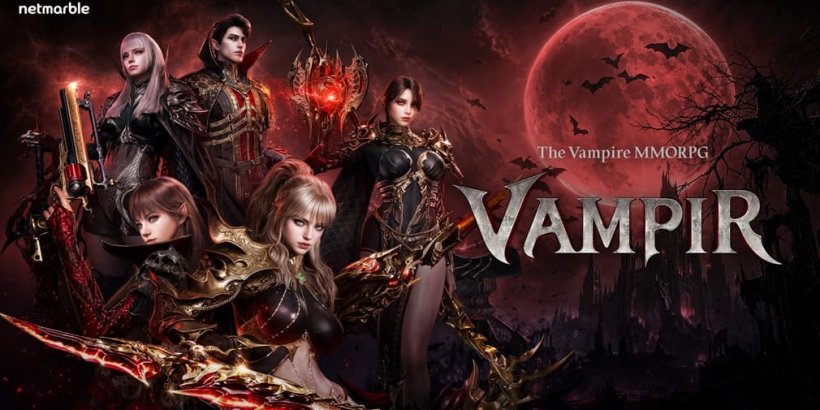
Following its global launch this week, VAMPIR is offering an MMORPG experience with brutal combat, striking character designs, and a compelling storyline that casts you and your fellow vampires as unlikely heroes in a dark fantasy world.
Netmarble ventures beyond the familiar medieval battlefields of the genre, embracing a world steeped in Gothic atmosphere, sensuality, and horror.
We spoke with VAMPIR’s developers to learn about how the MMORPG sets itself apart from its competitors, as well as distinguishes itself within the realm of vampire fiction.
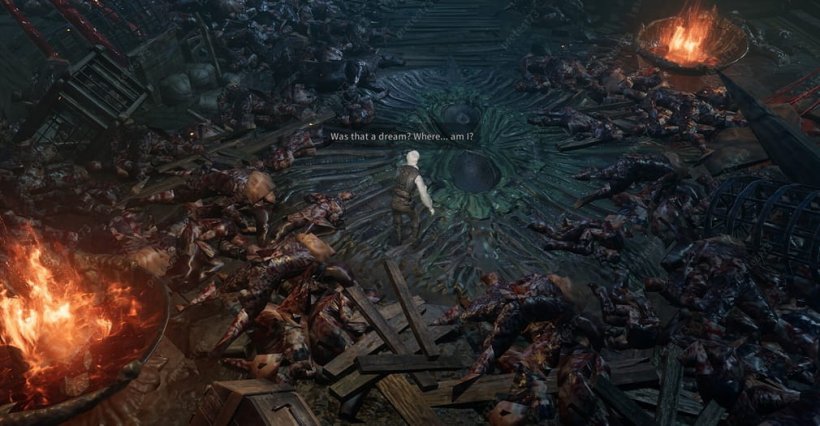
How accessible is VAMPIR for a first-time MMO player and what aspects do you feel makes it different from other MMORPGs?
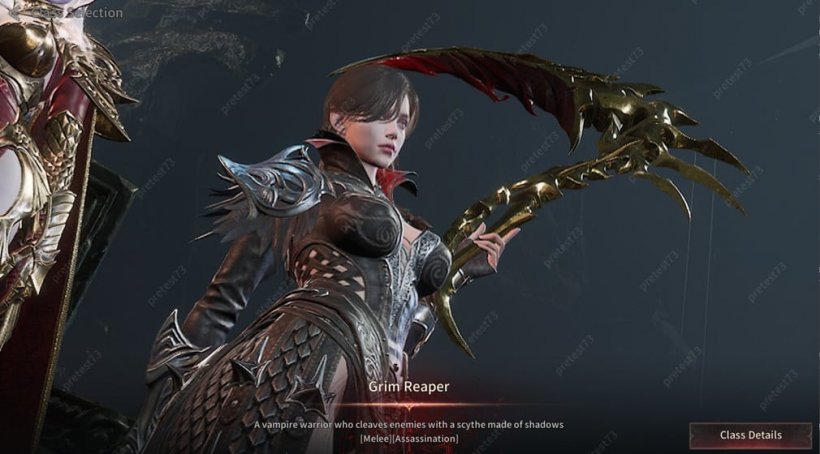
Like any MMORPG, VAMPIR has depth, and players will need some time to learn and adjust. That said, we put a great deal of thought into lowering the barrier to entry, and our class structure is central to that approach. VAMPIR moves away from the tank, damage dealer, and healer roles that have defined the genre for decades. Because every class is a damage dealer, newcomers do not have to learn a specific party role or worry about letting their teammates down by playing it incorrectly. They can choose a class that suits their style and focus on fighting well.Another aspect is blood-draining, which is at the heart of that combat. Draining enemies’ blood restores health and grants buffs, making the basic rhythm of combat intuitive: the more actively you fight, the more you get back.
We also separate progression and competition into different spaces, so players can learn the game and develop their characters at their own pace before stepping into large-scale PvP.
What ultimately sets VAMPIR apart is its identity: a world that moves beyond conventional medieval fantasy to confront blood, horror, and desire directly, and combat built around the fantasy of being a vampire.
And how does VAMPIR distinguish itself within the broader realm of vampire fiction? Which traditional vampire tropes did you embrace, and which elements are original to VAMPIR?
Most vampire fiction either puts the audience in the hunter’s shoes or portrays vampires as tragic figures observed from a distance. In VAMPIR, players are the vampires, and the world revolves around the thirst, ambition, and power struggles of those who rule the night.We fully embraced the traditional elements that make vampires compelling: blood as a source of power, immortality, Gothic aristocratic culture, horror, and deadly temptation. We did not soften those elements. Blood, horror, and sexuality are themes many games avoid, but we pushed their visual expression to a level rarely seen in the genre.
VAMPIR’s originality lies in making blood part of the gameplay rather than simply part of the atmosphere. Blood-draining is woven into combat which, combined with a class structure built entirely around damage dealers, lets players experience the fantasy of being a predator.
The lore surrounding bloodlines and lineage runs throughout the story and quests, shaping the world players explore. Meanwhile, the power struggles of a vampire society in which clans compete for control come to life through GvG content.
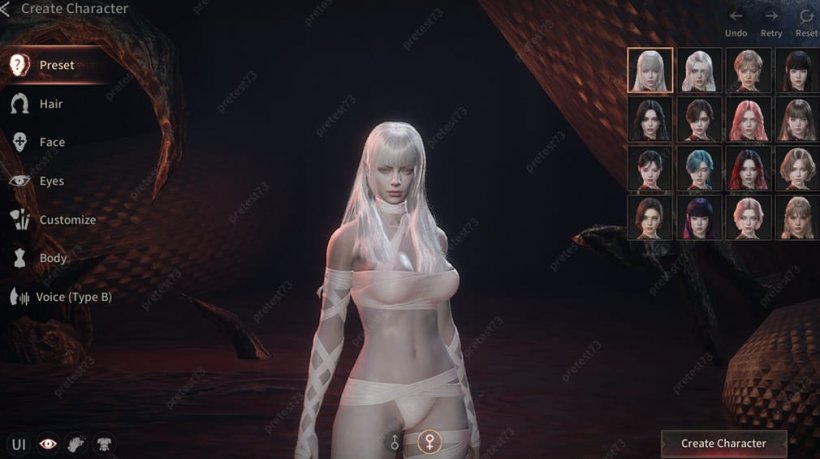
How much freedom do players have in shaping their vampire’s journey? Can two players with the same class and build end up with a drastically different playing experience?
It starts with the question, “What does my vampire look like?”. A detailed character customisation and appearance system let players express themselves beyond their starting look, so no two vampires need to look alike.In terms of gameplay, VAMPIR follows a progression path familiar to the genre, and that shared foundation also helps make fair competition possible. Where players have meaningful freedom is in deciding how to spend their time and what kind of player they want to be.
Some focus on hunting and farming to steadily accumulate Diamonds and in-game assets, while others devote their energy to cooperative activities and GvG content. Two players with the same class and build will therefore share many of the same fundamentals, but their experiences can feel quite different.
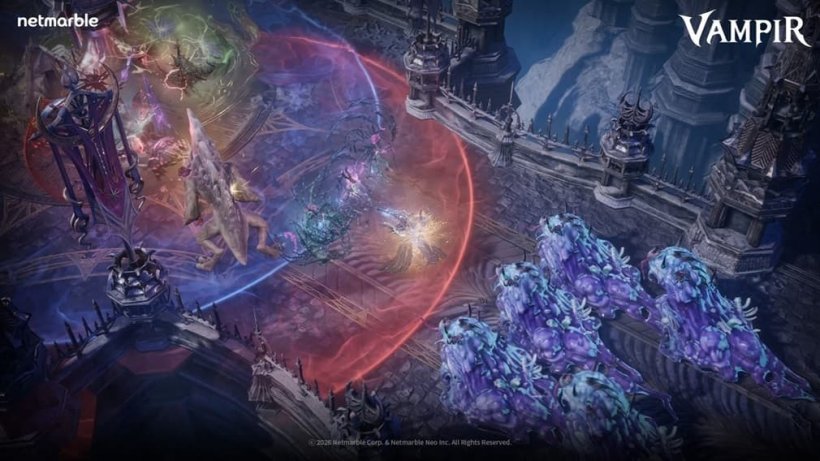
What prompted the creation of the Gehenna system? Why separate upgrading from competition rather than allowing PvP to exist throughout the main world?
We wanted to address a longstanding problem in the genre. When PvP is enabled throughout the world, character progression and fighting other players become inseparable, whether players want that or not. Newcomers and casual players can find their progress repeatedly interrupted, and many leave before experiencing what makes the game enjoyable.So we drew a clear line. The regular world is a space for character development and farming, while Gehenna is an inter-server war zone where two servers are matched for large-scale PvP. Competition becomes something players choose to enter for clear rewards, rather than something that constantly happens to them.
That separation also makes competition itself more meaningful. In Gehenna, players are not simply fighting strangers; an entire server puts its pride on the line against another server. That gives every battle a sense of belonging and rivalry, with clear rewards and privileges for the winning server.
One feature we're particularly curious about is server shuffling. How do you determine which servers or guilds are grouped together, and how do you prevent the system from simply creating new dominant guilds after each shuffle?
We created server shuffling to address a pattern that has repeated across many MMORPGs: once a hierarchy is established, it becomes permanent. The strongest clan keeps winning, the others gradually stop participating, and the competitive ecosystem quietly fades.The initial matchups pair servers within the same region. Subsequent shuffles use a tier system based on the results of the previous matchup, pairing winning servers with other winners and losing servers with other losing servers. That is the key to preventing a new dominant force from becoming entrenched. A winning server cannot keep benefiting from weaker opponents. It moves up and has to prove itself again against other winners. A losing server, meanwhile, faces an opponent of a similar level, giving it a realistic chance to win and work its way back up whilst encountering new rivals at an appropriate level of difficulty.
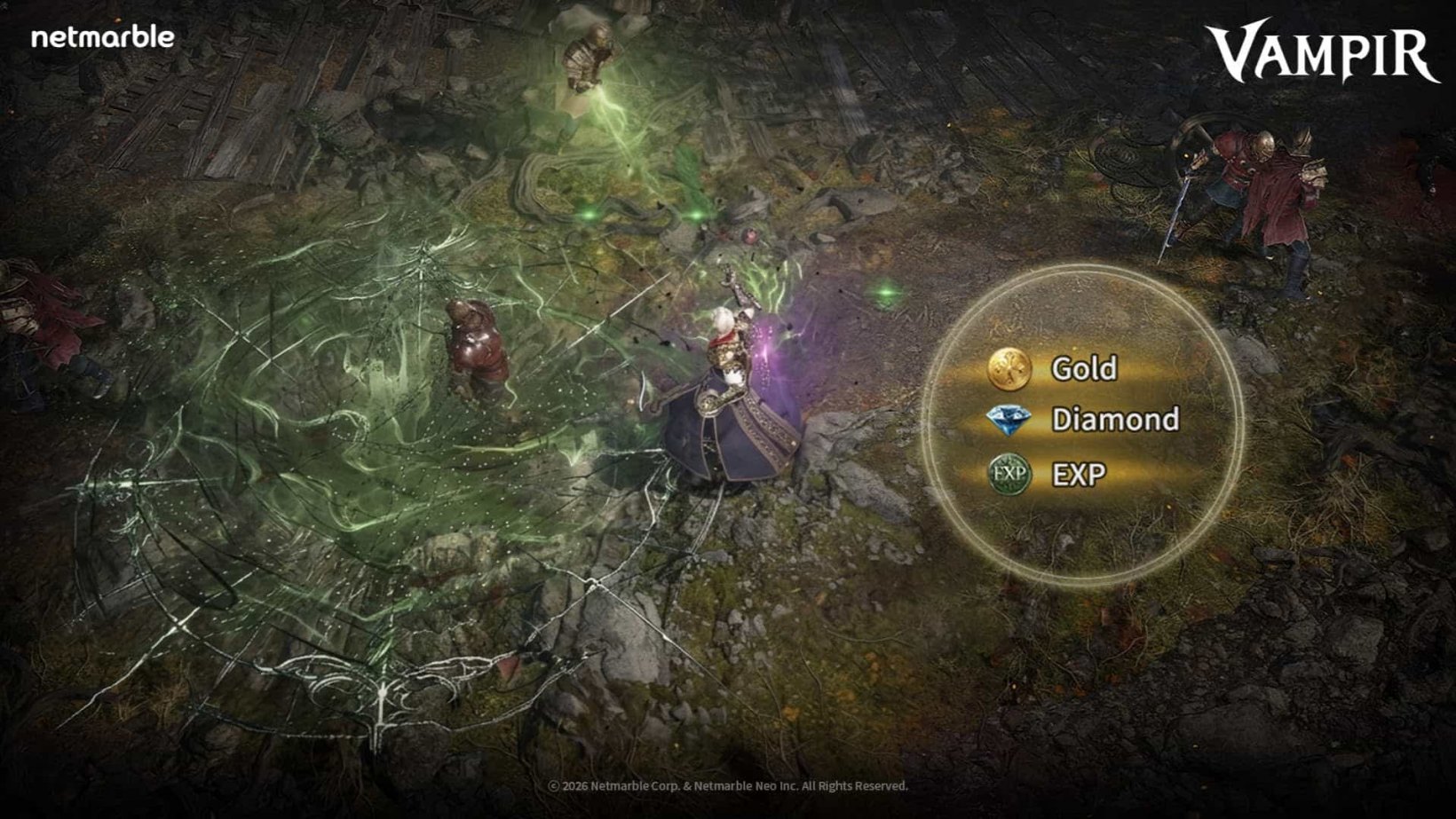
How does Diamond farming work, and is there a limit to the amount of Diamonds a player can earn through gameplay?
As in other MMORPGs, players can earn Diamonds in VAMPIR by participating in content or trading on the marketplace. What sets VAMPIR apart is its farmable Diamonds: monsters in the field can drop Diamonds directly. Players can earn a set amount of Diamonds each week through hunting. This structure consistently rewards regular play while preserving the value of Diamonds within the game’s economy. These Diamonds are not a lesser version of the premium currency. Players can use them to purchase the same Diamond-priced products in the in-game Shop, including summon tickets. Time spent hunting translates directly into the same items other players purchase.The Care Points system works alongside this. Lower-grade summon results grant more Care Points, so even disappointing results become an asset toward future progression. Through Diamond farming and Care Points, we wanted to make progression through gameplay feel tangible and dependable.
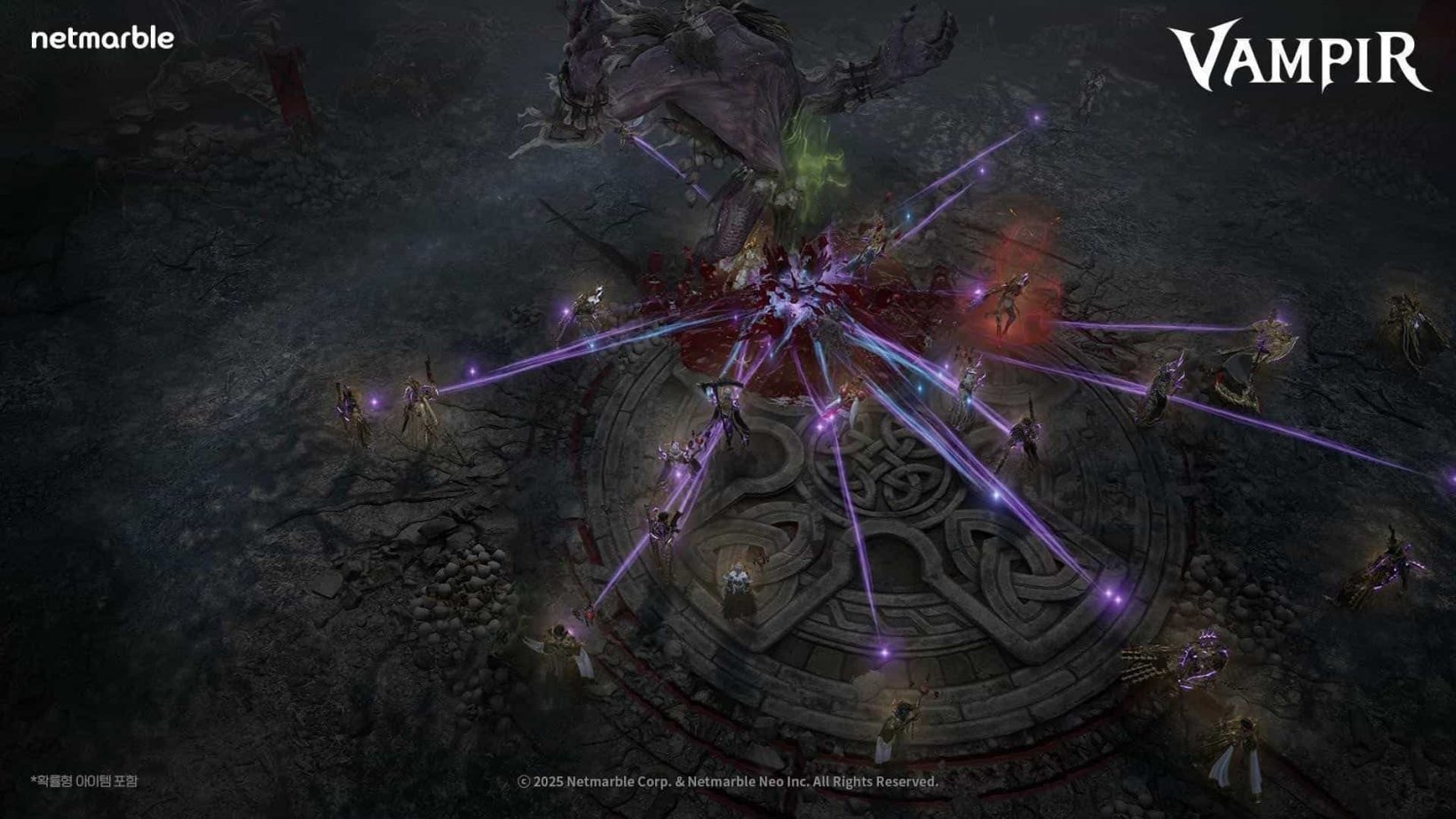
What has surprised you most about how players have responded to VAMPIR so far?
Over more than a year of service in Asia, we have had many opportunities to see how much our players care about VAMPIR. A great deal has happened, but two things stand out in particular. The first was a fan event in Taiwan. Nearly twice as many people signed up as we expected, so we had to expand capacity at short notice, and the event lasted almost three hours. What impressed us even more was what happened at the venue. Despite the language barrier, players had translation apps open at every table and waited patiently for the chance to share just one more thought with the developers. Those conversations went on to influence our development direction.The second is the depth of the feedback submitted to our improvement status board, where the development team responds directly to player suggestions. Many posts go well beyond simple requests.
One particularly memorable example was a detailed proposal from an overseas player about progression systems that rely on chance. Starting from their experience of failing twelve consecutive attempts at the same stage, they drew on behavioral economics and psychology to explain the sense of loss players feel after repeated failures. Their proposal was a great help as we developed mechanisms to adjust success probabilities in those systems. We have also received everything from requests for system improvements to detailed content analyses and proposals for new content.
Many players help us identify things we have overlooked. Ultimately, what surprised us most was that players see VAMPIR as a game they are helping to build, rather than simply one they enjoy. That commitment has become our greatest source of motivation to make a better game.
VAMPIR is available to download now
Offering a novel new twist on the MMPORG, and rewarding quests, VAMPIR is an exciting dark fable that fans of horror will relish; players can expect a mixture of sexuality and style, framed around a world that offers brutal combat.You can experience it right now by downloading VAMPIR for free from the App Store, Google Play, and the Epic Games Store.


